David Hartt lives and works in Philadelphia, where he is an Associate Professor in the Department of Fine Arts at the University of Pennsylvania. His research-based practice encompasses photography, video, sculpture, installation, sound, and textiles. In his projects, Hartt examines the social, cultural, and economic complexities of various places and contexts, questioning how historical ideas and ideals persist, transform, or acquire new meanings over time. They often begin with a specific site (a building, a landscape, or an institution) to reveal the histories and ideologies inscribed within it.

David Hartt
Montreal, Canada, 1967. Lives and works in Philadelphia, Pennsylvania


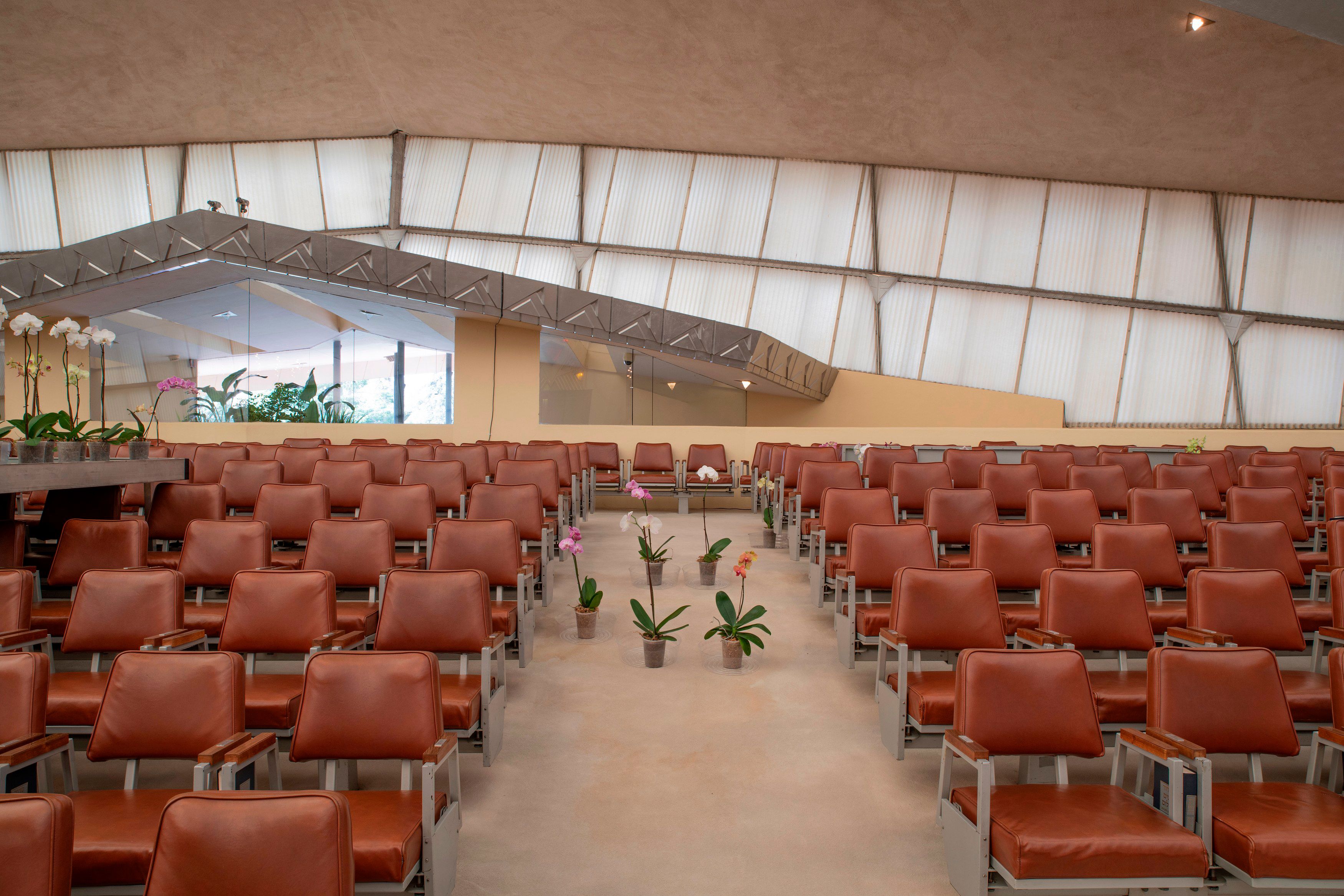
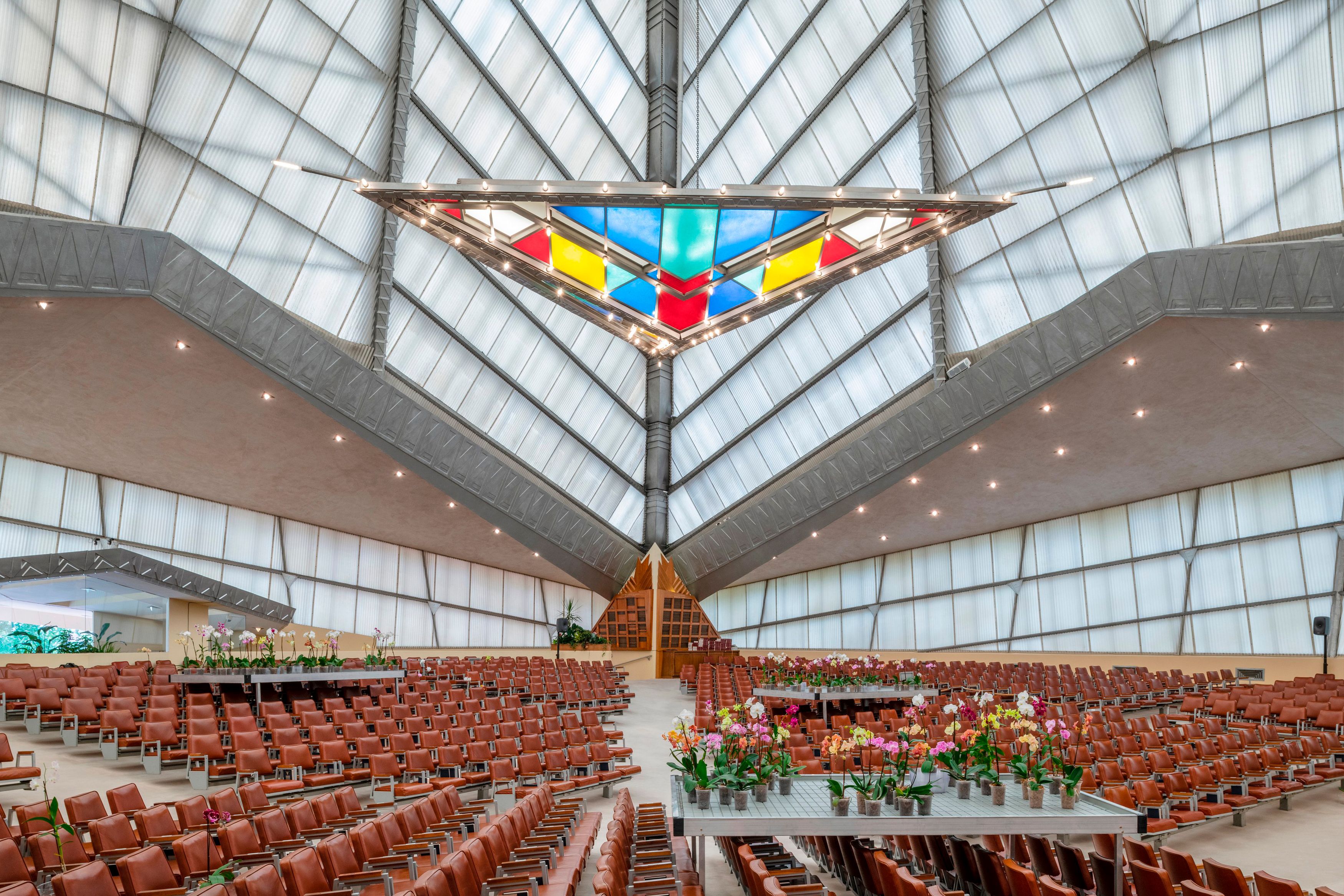
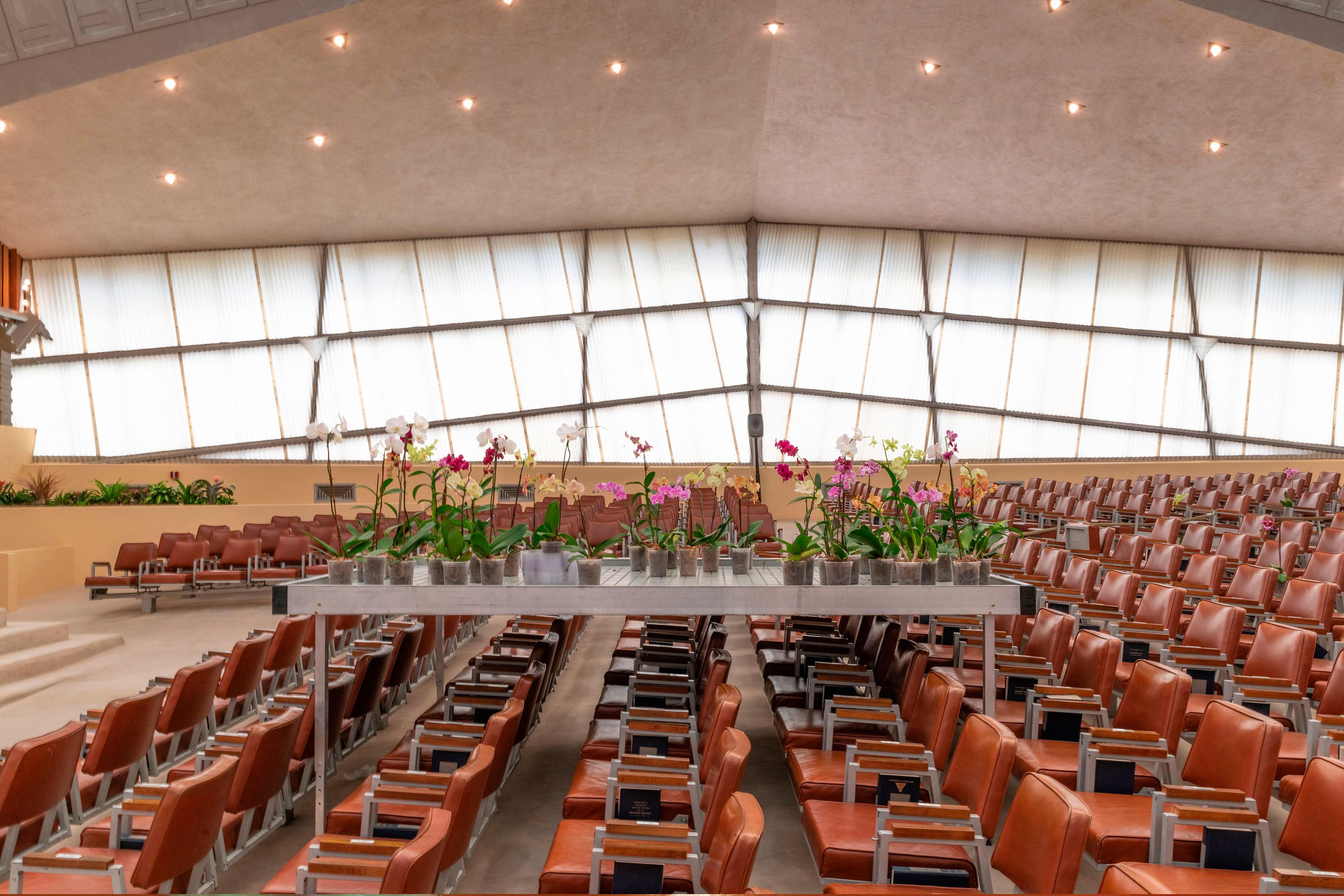
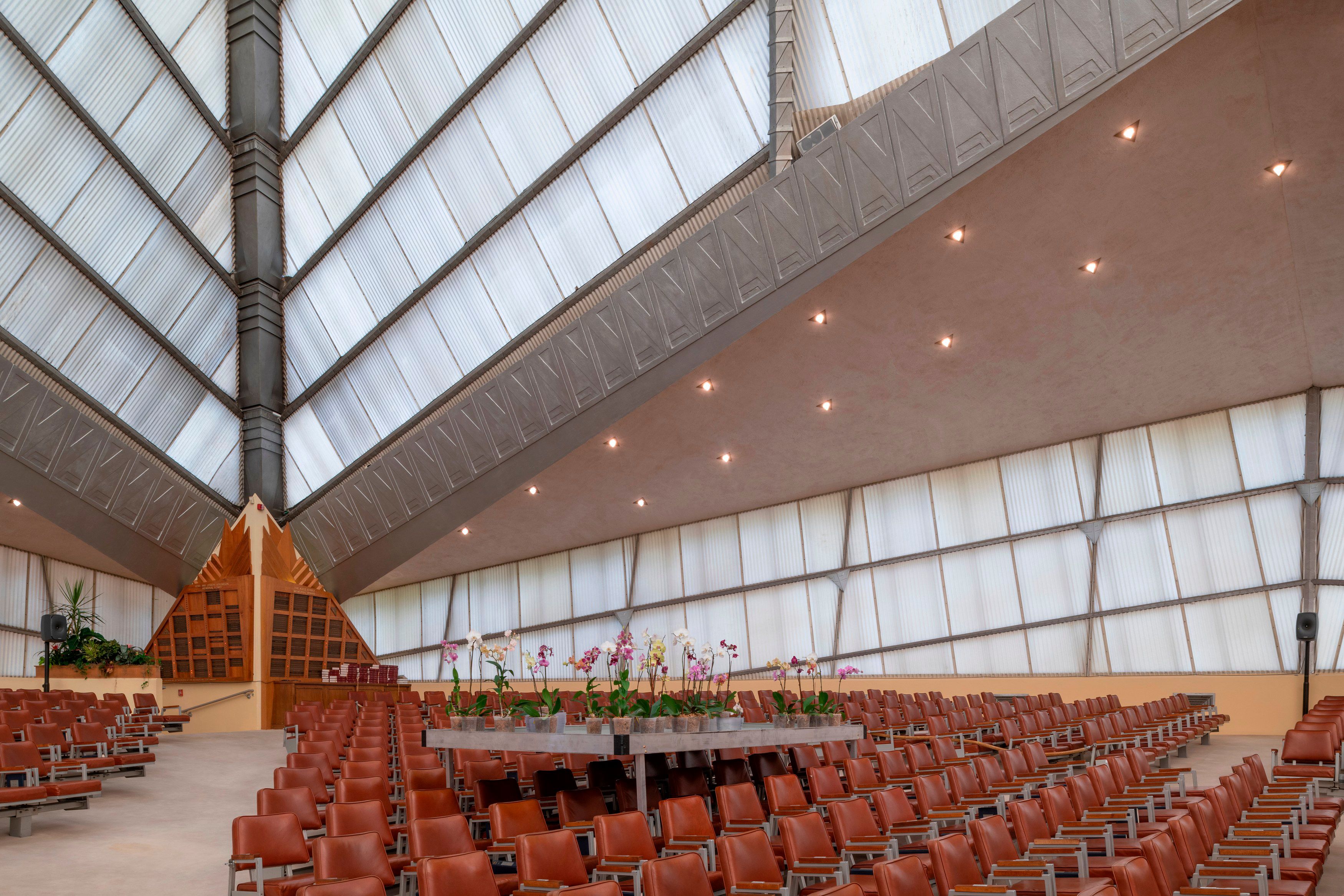
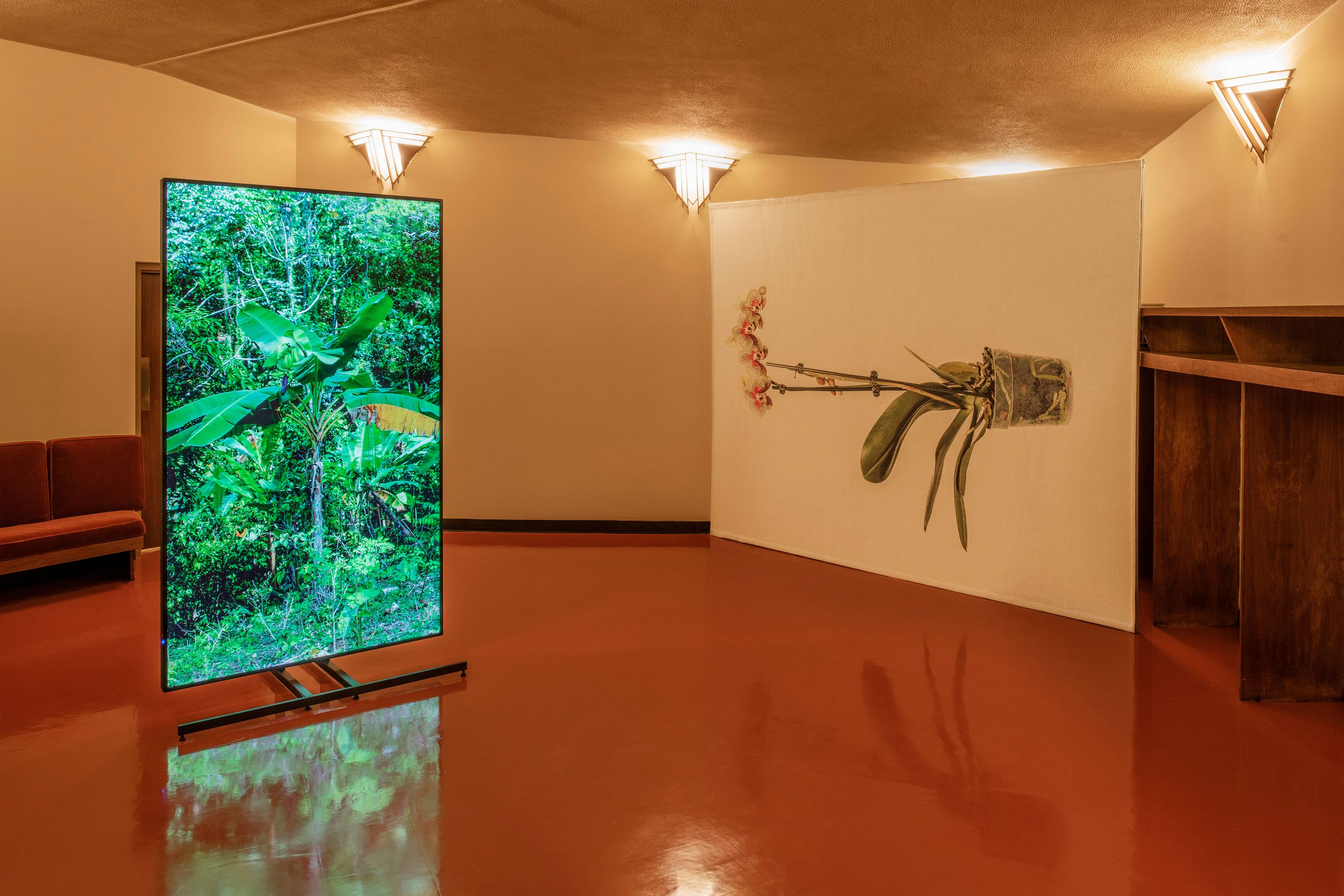
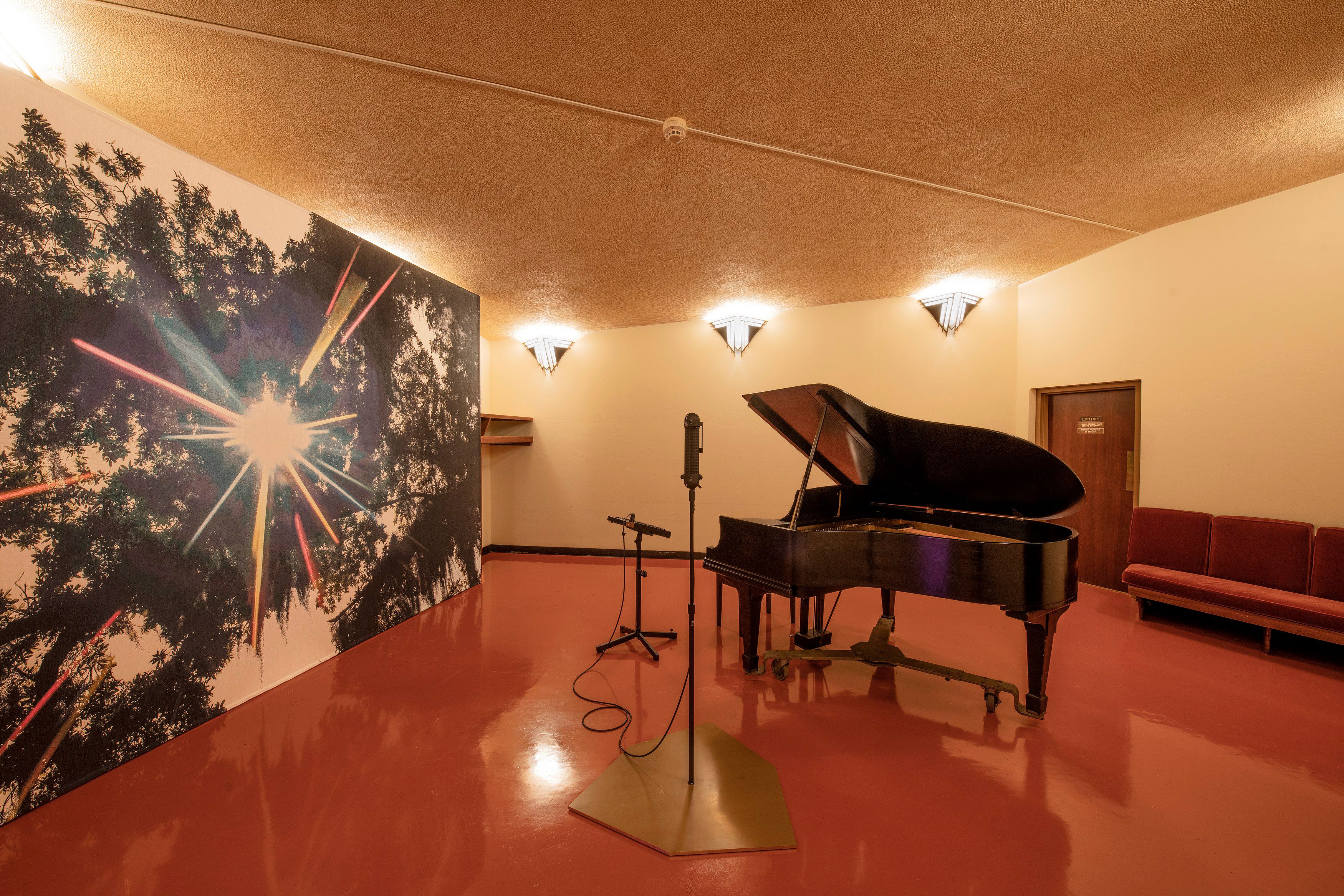
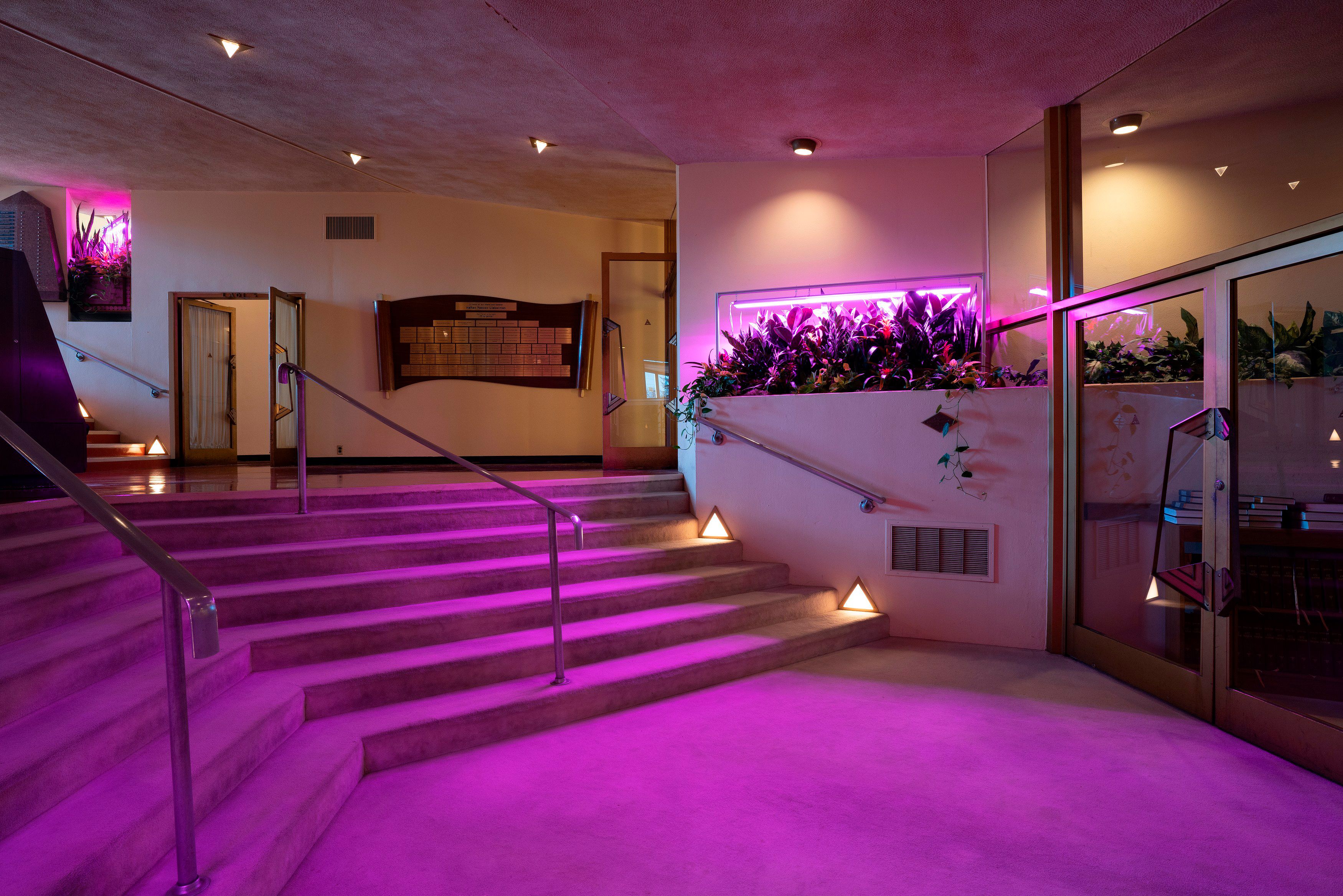
In The Histories (Le Mancenillier) (2019), Hartt continues his investigation into the relationship between architecture, memory, migration, and cultural identity. The project was created specifically for Beth Sholom Synagogue, designed by Frank Lloyd Wright in Elkins Park, Pennsylvania, and reflects the history of the Jewish community that moved from Philadelphia’s Logan neighborhood to the suburbs during the 1950s. The community’s former space in Logan was subsequently occupied by an African American congregation.
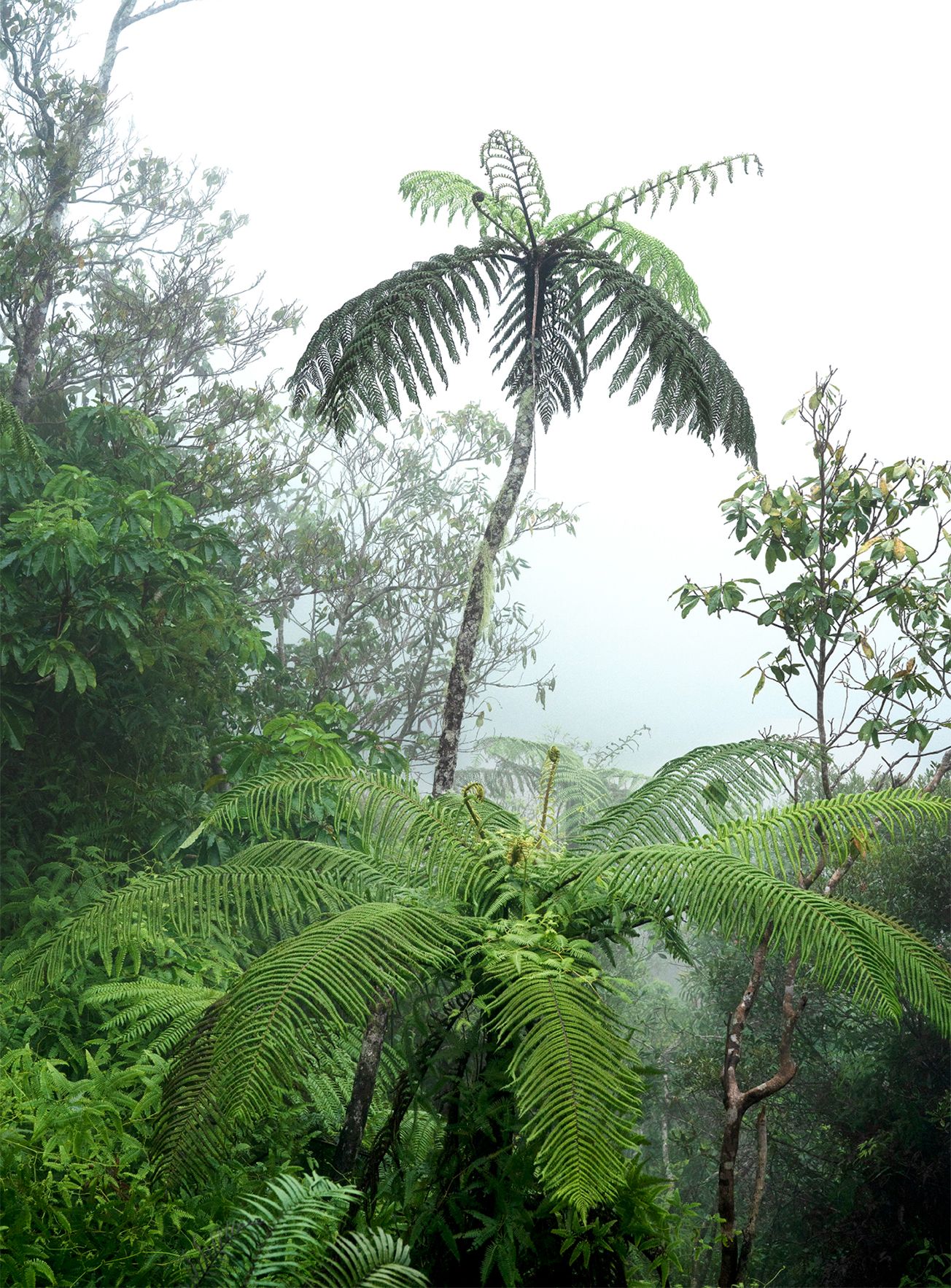
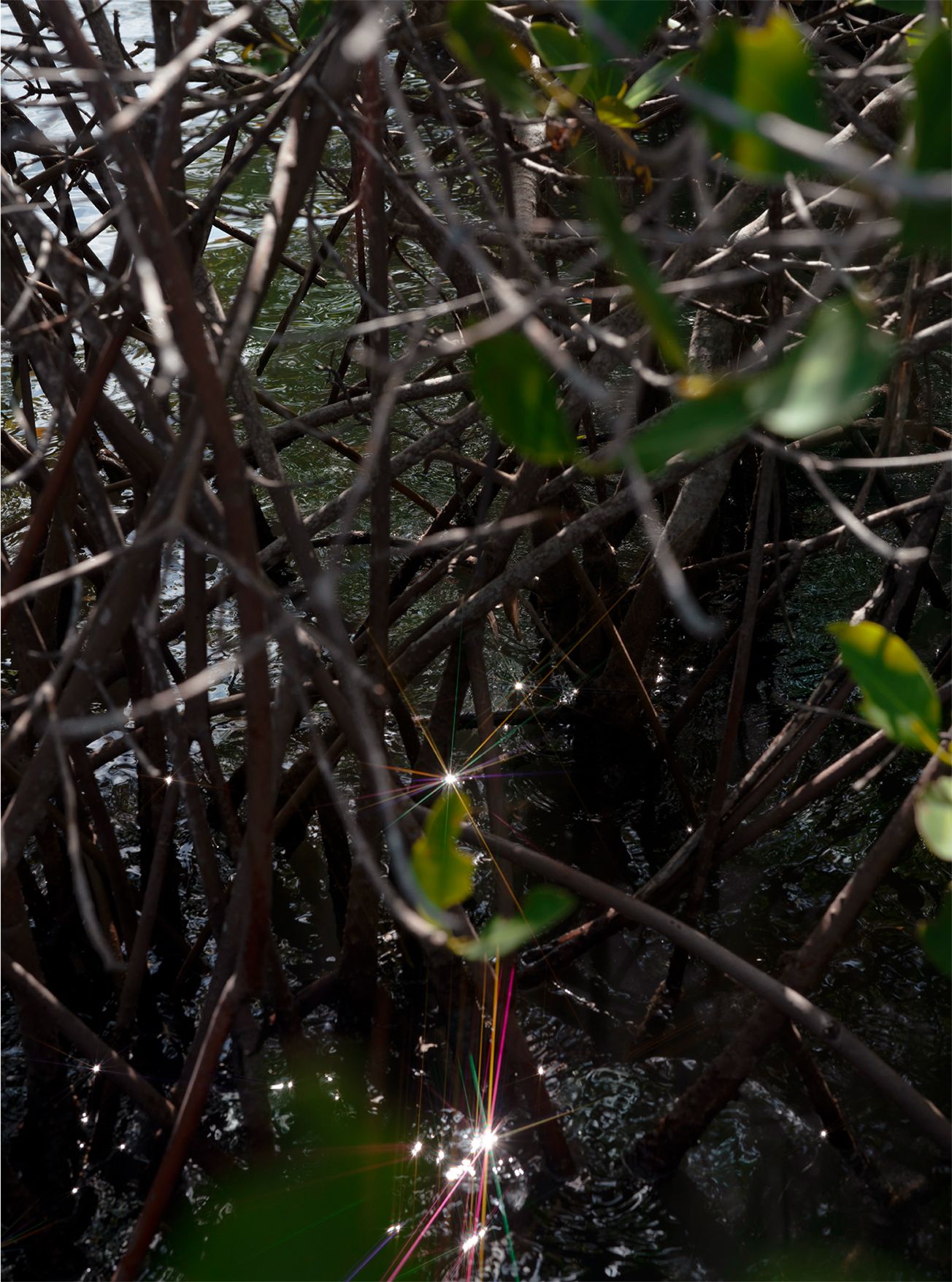
Through video, sound, tapestries, and tropical plants, Hartt draws connections between these migrations and the cultural histories that emerge when different communities inhabit the same place. The images, filmed in Haiti and New Orleans, introduce Caribbean landscapes into Wright’s architecture, while the music of Creole-Jewish composer Louis Moreau Gottschalk, performed by Ethiopian pianist Girma Yifrashewa, brings other geographies and histories into the space of the synagogue.
The Caribbean plants, particularly orchids, function as a living presence within the building and as a metaphor for the diaspora: organisms that move, adapt, and grow upon existing structures. The tapestries, created from video stills, similarly transform the landscape into a new surface, translating photographic imagery into color, thread, and texture.
As in other projects by Hartt, The Histories understands architecture as an archive of the people, ideas, and communities that have inhabited it. The building ceases to be a static object and becomes a space where different histories overlap, and where migration is understood not as an isolated event, but as an ongoing process of cultural transformation.

Negative Space / The Last Poet (2017) retraces the journey Robert Rauschenberg made along the East Coast of the United States in 1980, revisiting the same territory decades later to observe how the landscape has changed.
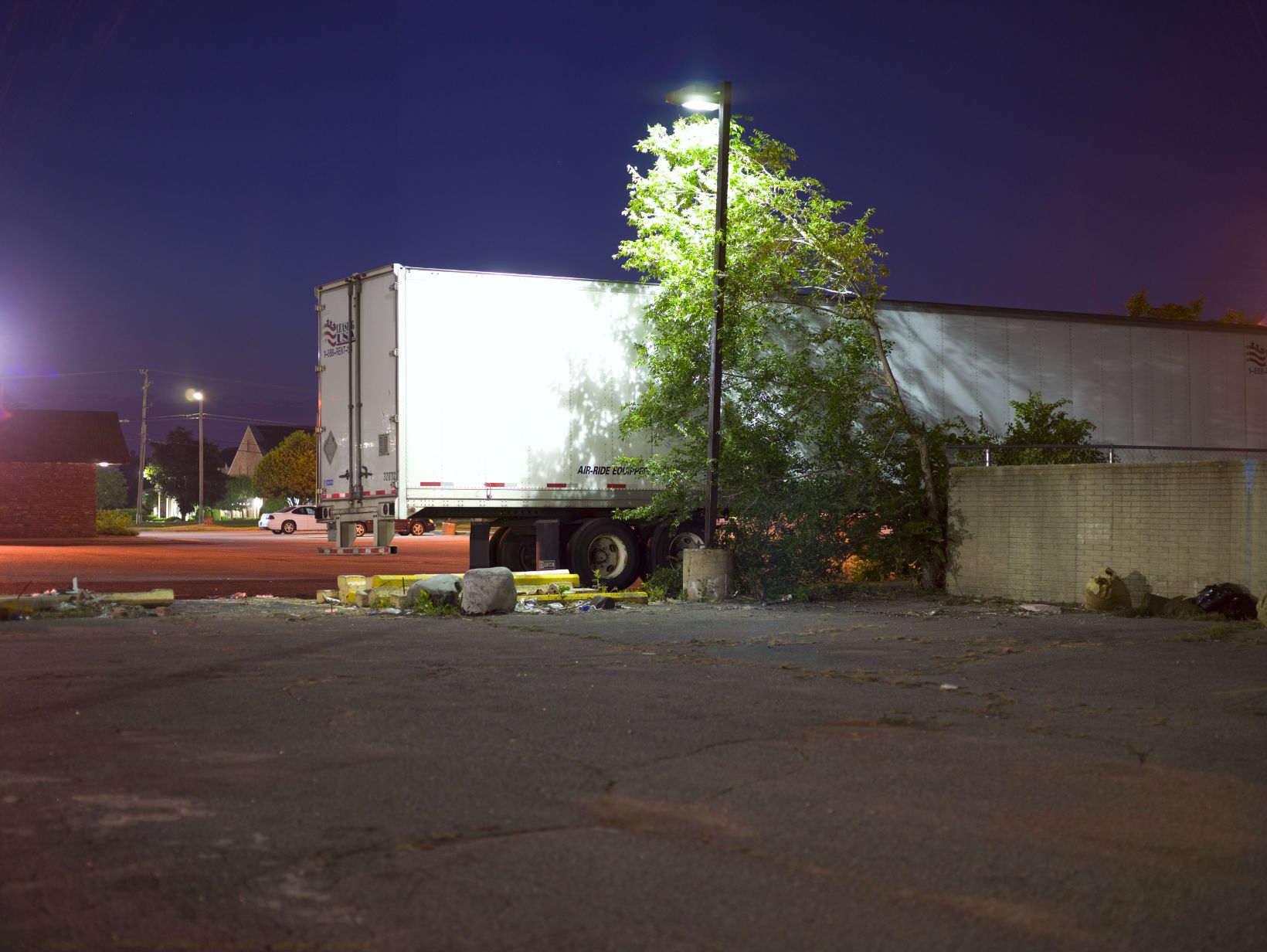
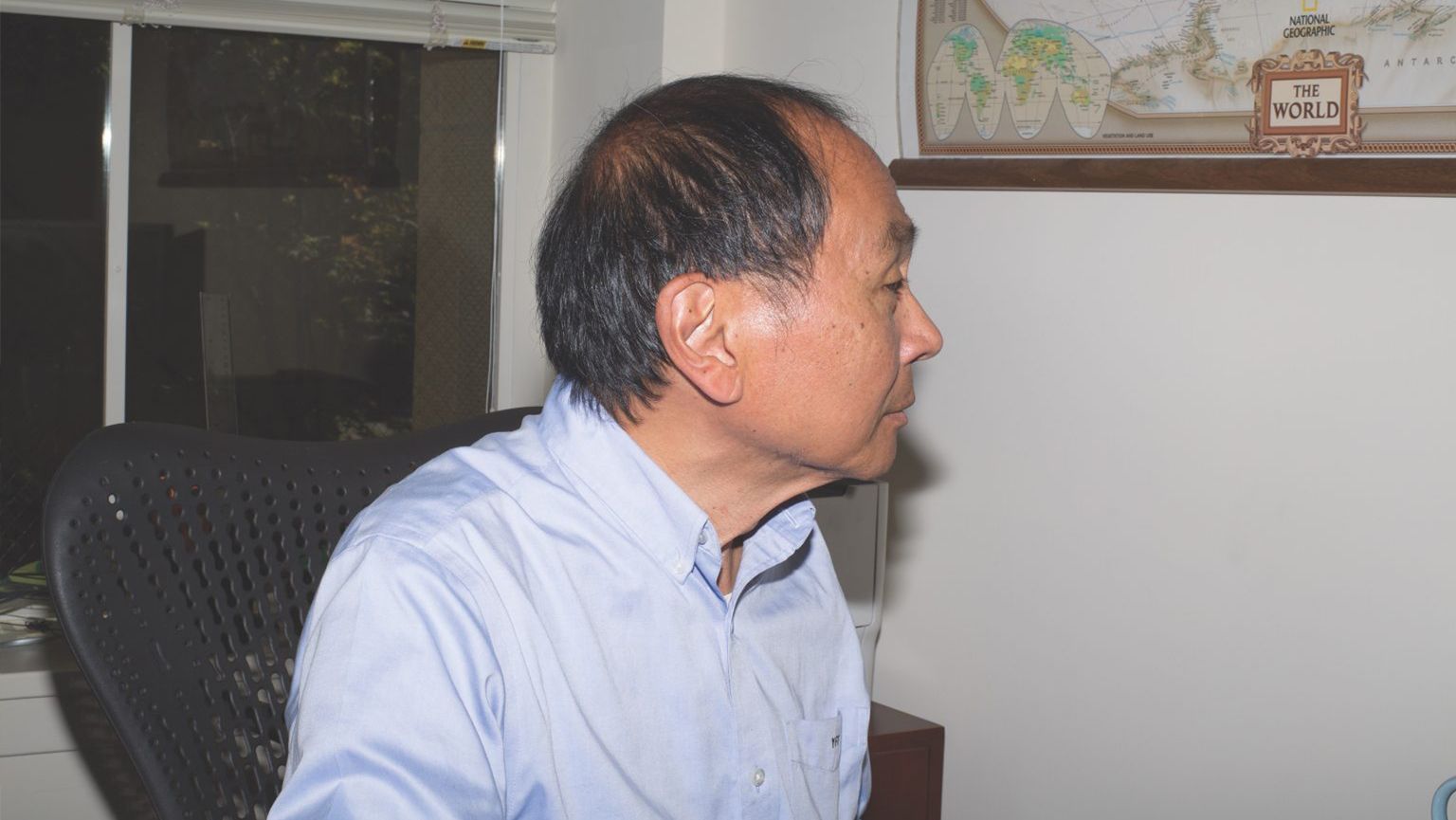
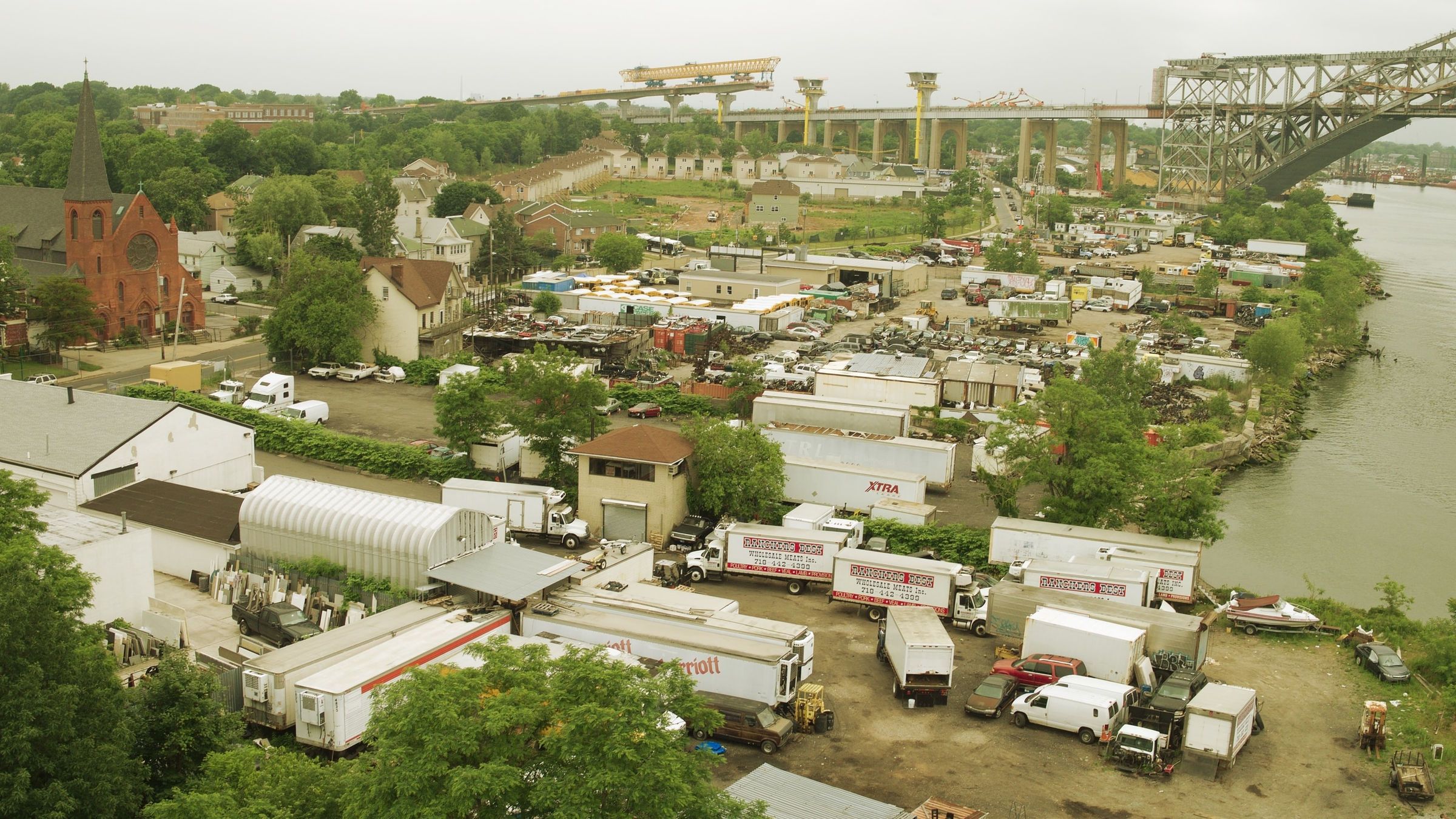
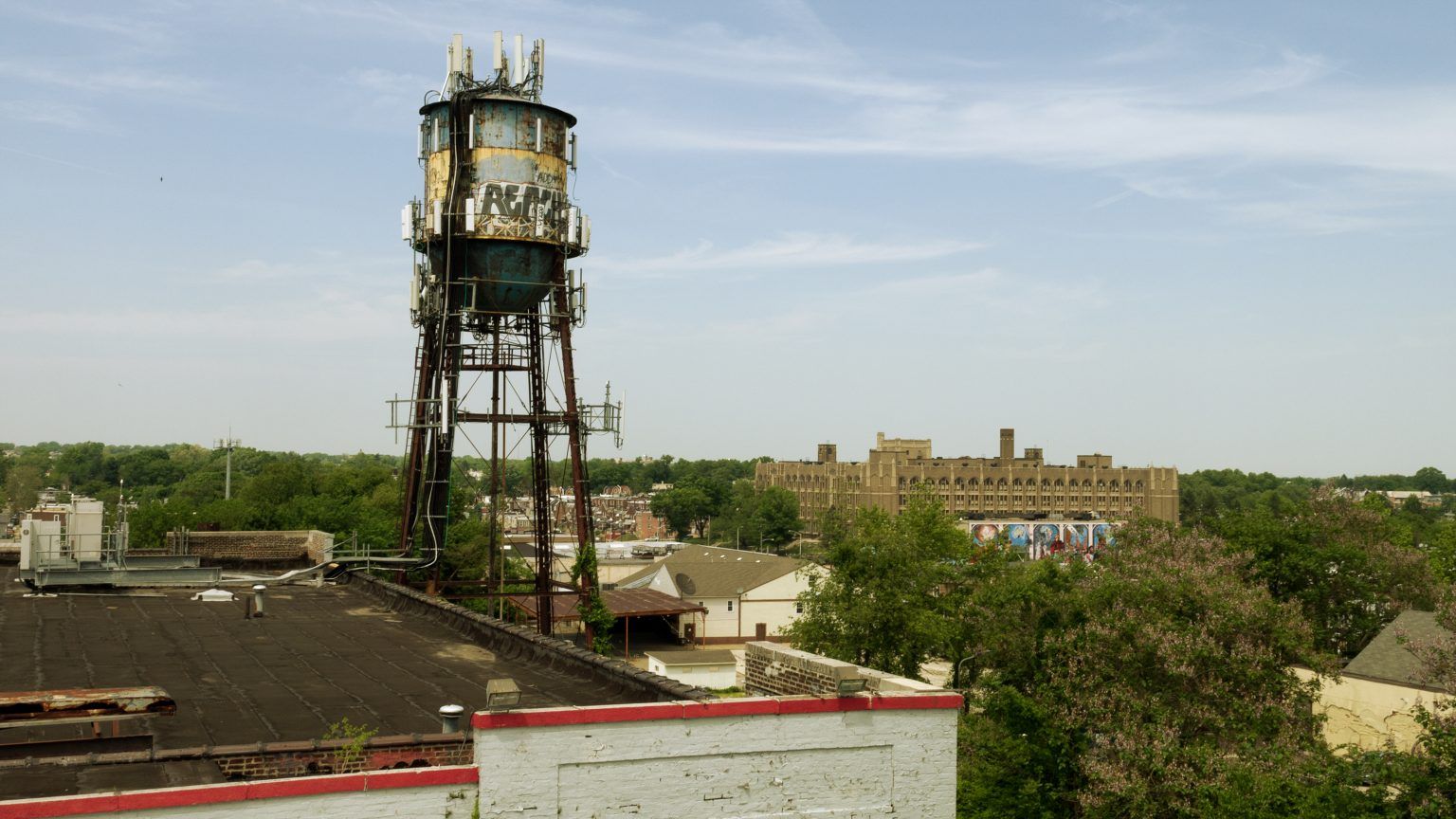
Hartt documents an increasingly homogeneous landscape, marked by highways, suburban developments, chain stores, and infrastructures that repeat from one city to another. In the Last Poet, a film shot from the air, the artist moves through this territory without a defined destination, creating a sense of displacement and disorientation. The project places these images in dialogue with literary and political references, including Samuel R. Delany’s Dhalgren and Francis Fukuyama’s ideas about the end of history.
As in other projects by Hartt, the landscape becomes an archive of the ideas that have shaped it. The Last Poet observes an America built around ideals of progress and expansion, but also marked by disappearance, homogenization, and the abandonment of what once represented the future.
Throughout his practice, Hartt understands places as living archives. A building, a garden, or a landscape can contain the aspirations of those who imagined them, but also the contradictions, exclusions, and transformations that followed. His work does not simply seek to reconstruct the past, but rather to observe how that past continues to shape the present.
In this sense, Hartt’s works function as spaces where different times converge. Through them, architecture and landscape cease to be mere settings and become witnesses to the ideas that once shaped them, as well as to those that continue, visibly or silently, to give them form.